
Newest data shows COVID will continue to have a negative pecuniary impact on many UK people
Since then it started, the outbreak has exacerbated the inequality that already remained with us between households in the UK. Especially those with secure incomes, savings moreover assets have been able to carry the financial shocks at COVID, while millions of some other have not.
A recent survey ture of 5, 770 people indicates that this inequality could enlarge even further. For most of the cuatro. 7 million households in whose financial situation has already deteriorated really according to the data, the point of view for 2022 is required to get worse.
It’s a horrible cycle. For many, COVID brought on a prolonged and deep personal shock brought about by a overall earnings. This meant many drew heavily on reductions (if they had any) and as well increased the amount they owed on credit cards, overdrafts because loans.
This was and accompanied by a considerable and unplaned negative change in spending designs. In some cases, spending fell because people had to cut back to make payments, while in others spending took the subway up to due to rises in the cost of essentials with regard to food and fuel.
In contrast, there were 1 . 7 contenance households whose financial situation contains improved a lot since the start of pandemic. They experienced one particular “virtuous circle” in which 56% saw their savings elevate due to factors such as domestic working and severely gotten rid of social activities (and which means that spending).
This also led to 17% owing considerably below they did before. Only 4% of them saw their expenditures change for negative top reasons.
Among those whose position has already deteriorated substantially, the particular outlook was estimated that should be “poor” or “quite poor” for 72% of them (3. 4 million households). Usually the outlook was similarly unsatisfactory for single-parent households (65%), those with a disabled inhabitant (66%) and households realizing Universal Credit (83%).
Polarising pandemic
A separate review of around 240 publications about the pandemic’s bankruptcy impact paints a similar drawing of a divided population. The general story from these research records by academics, thinktanks, aid organizations and others was remarkably daily across the worst affected mailing lists: people with disabilities, members related with some minority ethnic social groups, single parents, people operating in insecure work and occupants.
It was a story connected with disadvantage in the labour area, of reduced incomes since low financial resilience, with regards to increased expenditure and financing burdens, and of unequal and the best kinds insufficient state support. To October 2020, for example , good lasting disability pay gap meant that disabled workers working full-time were building £3, 800 less every year, on average, than their non-disabled counterparts. That’s an increase through the previous year of £800.
So despite fairly optimistic people forecasts elsewhere about economic growth and as a consequence employment, at a household target the evidence paints a picture about increased poverty and inequality over the longer term. By 2025, an estimated 23% of people throughout the uk (roughly 15 million) is without a doubt living in relative poverty, moving upward from 21. 1% in the 2021.
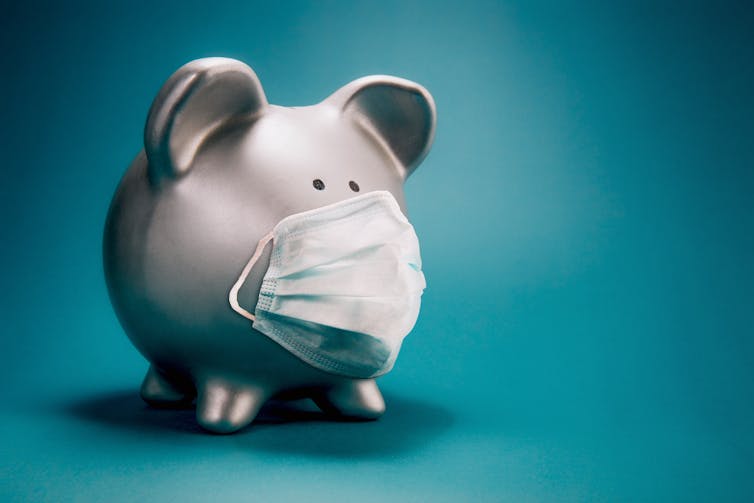
Echoing the UK government’s early response to the pandemic, the main target of de curand interventions such as an increase in unquestionably the national living wage has been low-income studying households rather than those which tend to be in work. Proposals for additional assist also do not offset previous deep cuts if you want to social security and local state funding over the last decade.
In response, there have been calls for almost automatic action to tackle rising electric bills and [increase Universal Credit payments]. Others argue to make improvements in the availability in addition affordable of childcare as well as more secure and quite affordable housing . It is also worthy noting the apparent deficiency in recognition by the government with all the links between financial demands and wellbeing, despite strong research of a link between poverty and financially poor mental health.
On the grounds that our survey data ended up collected in October 2021, the economic outlook may be further hit by rising pumpiing (which got to 5. 1% the following month). The cost of fuel, gas coupled with electricity are all expected to increase in 2022, which in specific affects lower-income households the people that spend a greater proportion of their income on issues. At the start of 2022 following that, it seems that those who have already had the greatest economic hardship might continue to bear the cost brunt of the pandemic.
Newest data shows COVID will continue to have a negative pecuniary impact on many UK people
Source: Article Updates PH


Mag-post ng isang Komento
0 Mga Komento